


Share


Author
In this article
Ever wondered what the secret ingredient is in a well-oiled IT machine? Well, its probably virtualisation – or at least thats the opinion of many IT professionals. But what exactly is virtualisation and how does it work its magic?
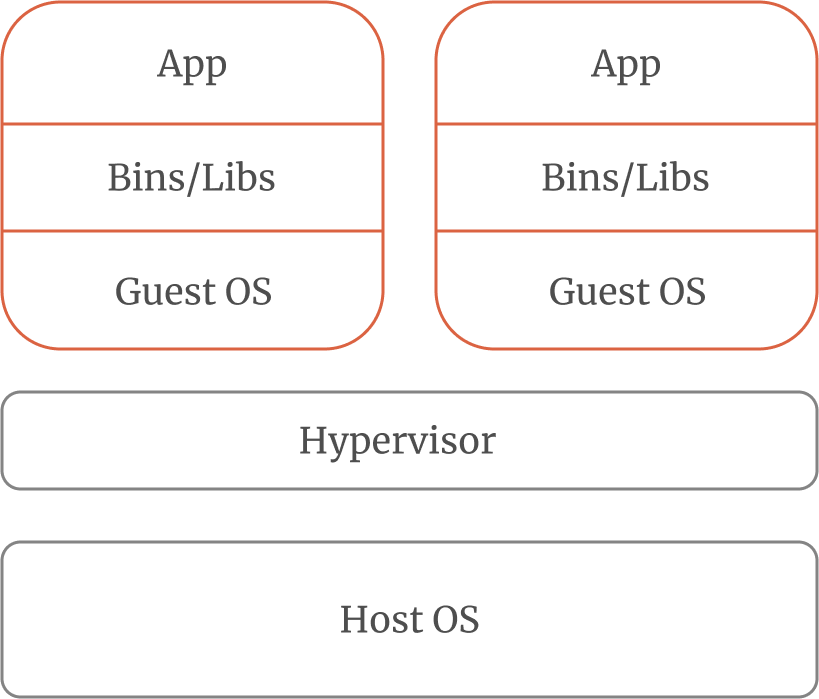
Virtualisation is now a foundational part of modern IT, driving improvements across operations. It sits as a software abstraction layer that decouples servers, storage and networking from the underlying hardware. By running multiple virtual machines or containers on the same physical platform, you lift utilisation, streamline provisioning and make recovery far simpler.
The impact is significant. Server virtualisation reduces the number of physical hosts to buy and maintain, which cuts capital spend, power, cooling and support costs at scale. Likewise, network virtualisation can create isolated, software-defined segments over a shared infrastructure, improving security and functionality while giving teams the flexibility to stand up or change environments quickly.
But virtualisation is more than just an IT efficiency tool, its a strategic asset that can transform your entire business model. By letting you do more with less – less hardware, less energy, less management overhead virtualisation gives you the resources you need to focus on innovation, growth and other strategic initiatives.
In short, if you’re looking to make your operations leaner, more agile and more secure, server virtualisation is a must-have in your business strategy.
Data Virtualisation vs Data Consolidation
When you’re trying to craft a cost-effective IT strategy, you have a couple of options to consider: data virtualisation and data consolidation. Data virtualisation gives you real-time access to data from multiple sources, which is great if you need to be agile and quick on your feet.
Data consolidation, on the other hand, centralises all your disparate data in one place, which makes it easier to manage, improves data quality and makes backups a breeze.
How Data Virtualisation Works
In this section, we’re going to take a closer look at the key layers of data virtualisation – and why they are so important for your IT infrastructure.
Virtual Desktop Infrastructure (VDI): simplify your desktop management
VDI centralises all your desktop environments on a server or server cluster, which reduces administrative overhead and improves security. It lets you implement security protocols and data access management with ease – and saves you money by letting you use less powerful terminals to access resource-intensive virtualised desktops.
Network virtualisation: improve connectivity and security
Network virtualisation builds independent, software-defined networks on the same physical fabric. You get fine-grained control over policies and traffic, with the ability to isolate workloads across segments to limit lateral movement. The result is higher utilisation, faster provisioning and lower network costs, without sacrificing security.
Application virtualisation: streamline software deployment
Application virtualisation decouples apps from the operating system and centralises management. Apps run in isolated environments, which removes compatibility issues, simplifies updates and rollbacks, and lets you allocate CPU and memory per instance. You deliver the same user experience with fewer dedicated servers to maintain.
Storage virtualisation: optimise your data storage
Storage virtualisation pools capacity from multiple devices into a single logical resource. Backups, snapshots and recovery become simpler to manage from one place, and you can scale capacity or performance as needed with minimal disruption. That means better performance and lower total cost of ownership.
The Business Case for Virtualisation
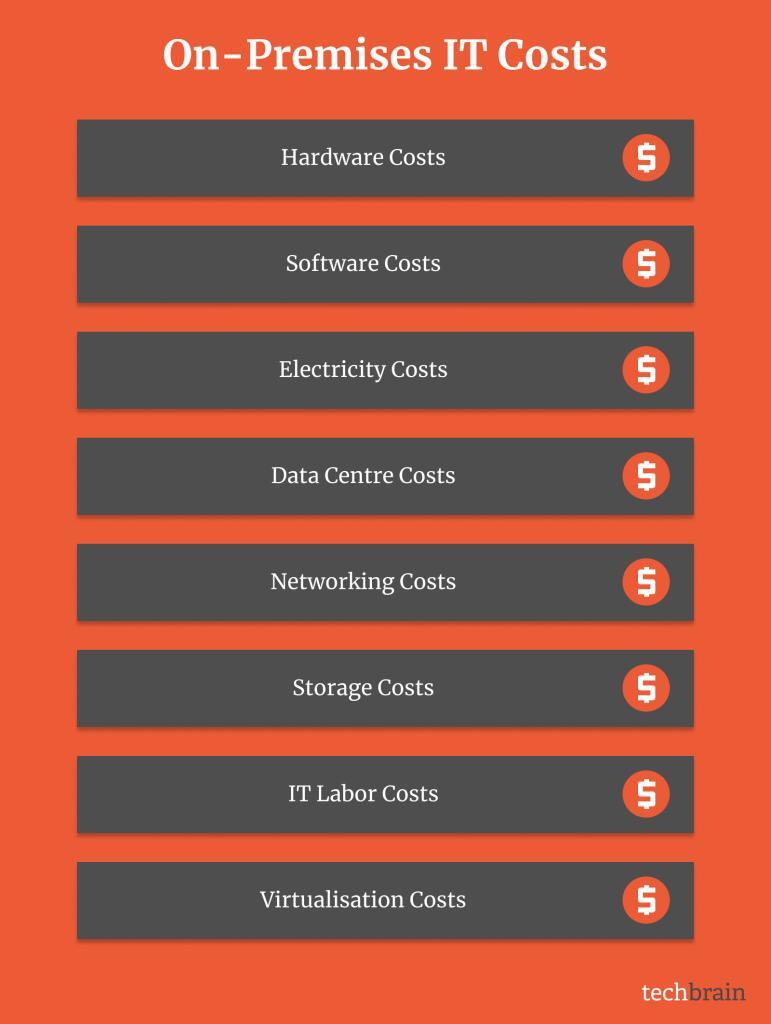
Virtualisation is a pretty compelling element in shaping cost-effective IT strategies. By optimising hardware use and simplifying management processes, it slashes both capital expenditures (CapEx) and operational expenditures (OpEx) significantly. This makes virtualisation a must-have strategic pathway for maximising the return on investment you get from your IT infrastructure.
Cost efficiency
Virtualisation reduces capital spend by running multiple workloads on the same host, so you buy and rack fewer servers. Operating costs drop too thanks to lower maintenance effort, reduced power and cooling, and less floor space.
Enhanced performance and scalability
A virtualised stack allocates CPU, memory and I/O where it is needed, improving throughput and response times for real-time analytics and customer-facing apps. Scaling is simple—add or remove resources or nodes with minimal disruption and no major reconfiguration.
Disaster recovery and business continuity
Centralised management, snapshots and VM replication make backup and restore faster and more reliable. In a failure, automated failover and runbooks cut RPO and RTO, helping critical services recover quickly and stay online.
Information Security
Virtualisation isn’t just about cutting costs and improving efficiency; it’s also a super powerful tool that can give your organisation a total boost when it comes to security. By separating out different workloads and network bits and pieces, server virtualisation adds an extra layer of security that can really help defend against unauthorised access and data breaches.
This kind of separation is especially useful for companies dealing with sensitive data, or those that need to follow pretty strict rules about compliance.
Who Can Really Benefit From Data Virtualisation?
Small and Medium-Sized Businesses (SMEs)
You can get rid of the need for loads of physical hardware, and get all the data in one place – that makes business processes a whole lot leaner, and more cost-effective.
Large Corporations
Having real-time access to all your data from lots of different sources makes data management and analysis a whole lot easier, and that helps you make better business decisions.
Healthcare
Virtualisation of data is a great way to get more secure and efficient data handling going. Centralising data management is a key IT strategy that healthcare services can use to meet the rules set out in Australian healthcare regulations, and at the same time make services more efficient – from looking after patients, to doing boring admin tasks.
Schools
By getting all data and apps in one place, data and resource management gets a whole lot easier – that means you can focus on getting the best out of your students, rather than getting bogged down in IT stuff.
Government Agencies
For government agencies, virtualisation of data can help improve the way you deliver services by getting all different bits of data to talk to each other more easily. By getting all data in one place, you can make it a lot easier to meet compliance requirements, and make services more transparent and efficient for the public.
Retail Industry
Getting real-time access to customer data from loads of different sources lets you come up with marketing strategies that really work for each customer, and get people to engage with your brand in a way that really matters.
Manufacturing
Having all data in one place lets you see what’s happening in real-time, which helps you spot where you can be more efficient, and make your production processes run a lot smoother.
How to Get Started with IT Virtualisation
Understanding Needs
The first step to getting virtualisation going is to figure out what you need to get from it. This means taking a close look at your old IT setup, working out what kind of data management you need, and defining what you want to achieve with virtualisation.
Develop A Plan
Once you know what you want to get out of virtualisation, draw up a step-by-step plan for making it happen. This should include picking the right virtualisation tech, getting your hardware and software sorted, and working out a plan to move all your existing apps and data over.
Train Your Team
You’ll also need to get your existing IT team trained up on the new tech, or maybe even get some experts in to help you get virtualisation up and running smoothly.
Monitoring and Maintenance
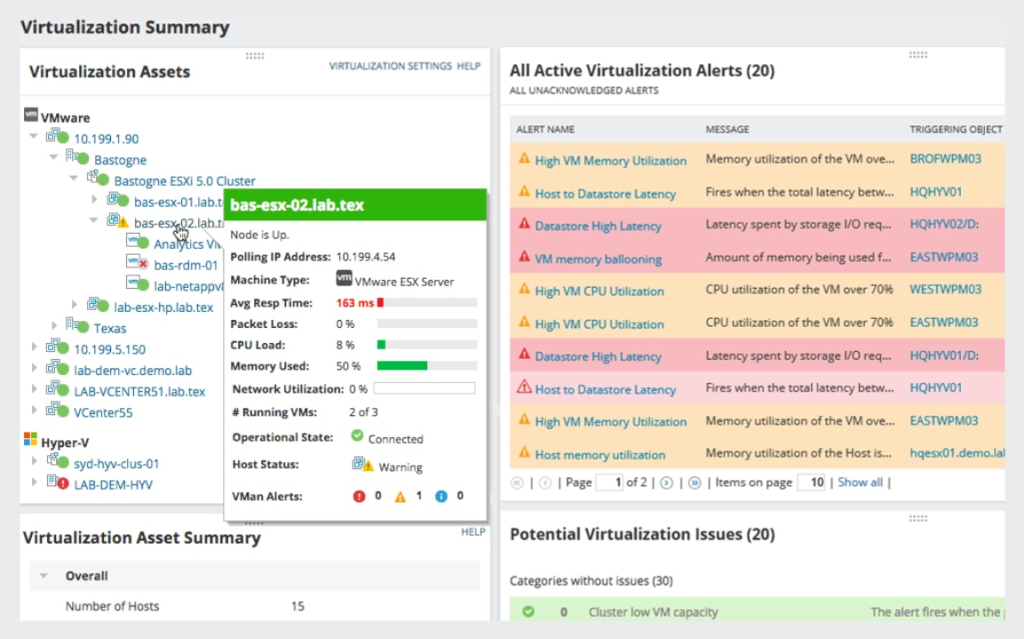
Then, you’ll need to set up systems to keep an eye on how things are running, so you can make any changes you need as you go along. That means using performance monitoring tools to keep an eye on the numbers, and having a plan in place to do any maintenance that’s needed.
Why Settle for Anything Less?
Think about it: less hardware clutter, quicker systems, a safety net for all your precious data. It’s like having a top-notch IT ace up your sleeve, one that’ll help you run your business like a well-oiled machine in today’s fast-paced world. Whatever your business size or IT role, virtualisation can make your life a heck of a lot easier.
Just take the time to figure out what your business really requires, work out a solid plan, get your staff trained in on it, and keep an eye on things as you go along. Or if you need a hand, don’t be afraid to bring in the experts to make the transition smooth as silk.
But don’t let this chance slip by – get the most out of virtualisation and get your business set up for long-term success. Take the leap and get virtualisation working for you starting today.