


Share


Author
In this article
IT Managers are no strangers to the seemingly endless battle against cyber threats that we all face in 2024. You’ve probably already made the usual investments in firewalls, antivirus software & thrown some cyber awareness training at your team, and thought to yourself “I’ve got that covered”. But let’s get real for a sec, there’s always that lingering doubt in the back of your mind that nags you: are you doing enough?
Are there threats lurking in the shadows that you’re just not seeing? If the truth be told, the answer is yes, and it’s not a very pretty one. The dark web is basically a minefield of hidden dangers waiting to blow up in your face and they might well be targeting your business right now & you’d never even know it.
Imagine walking into work one morning to find that your company’s super sensitive data is out there being auctioned off on some dingy dark web marketplace to the highest bidder – and you’re powerless to stop it. Customer info, financial records, and all the trade secrets you’ve built your business around are all out there on display.
The fallout could be utter carnage – lengthy court battles, massive regulatory fines, some seriously damaged reputation & years of hard graft building trust with customers could all be undone in the blink of an eye.
You might be thinking “we haven’t had a major breach, so we’re probably fine”. But here’s the grim reality: data breaches often go undetected for months or even years. By the time you even realise you’ve been hacked, it’s often too late. The average cost of a data breach in Australia is now a whopping $4.03 million according to IBM’s Cost of a Data Breach Report 2023. Can your business really afford a hit like that?
Dark web monitoring is the tool that can help you mitigate the threat – but don’t just treat it as another security tool to add to the stack. It’s a proactive approach that can give you an early warning system to spot threats before they spiral out of control. Dark web monitoring alerts give you time to act before your credentials and assets have been leaked or compromised.

Getting Down to the Nitty-Gritty with Dark Web Monitoring
To really get a handle on why dark web monitoring is so important, we have to take a closer look at the different layers that make up the internet.
Most people are pretty familiar with the surface web, the bit of the internet that we all use on a daily basis – think news outlets, social media, online stores. When you fire up your browser and check your email or browse your favourite sites, you’re stuck in the surface web.
But the truth is, that’s only scratching the surface. There’s a whole lot more to the internet than what you see on a daily basis. Just below the surface of the surface web lies the deep web – a vast, untapped world of content that search engines don’t even bother to index.
We’re talking about stuff like company databases that are off-limits to the public, internal websites that only employees can get to, old web archives that are long forgotten, and all sorts of password-protected areas of websites.
The deep web isn’t inherently good or bad, but let’s just say it’s not exactly something that’s out there for public consumption either.
At the very bottom of the pile, you’ll find the dark web. This is the part of the internet that people go to great lengths to hide – and if you want to get to it – you’ll need some special tools, like Tor. The anonymity of the dark web makes it a go to destination for people who want to keep their business on the down low, but it’s also a hotbed of illicit online activity and a marketplace for stolen data.
Dark web sites are basically online boutiques where you can get all sorts of dodgy stuff – hosted anonymously through Tor and other tools and run by people who want to stay under the radar. Cyber crooks often use these sites to share tips and work out attacks against other businesses.
Dark Web Threats and the Risks You’re Running
If you’re an IT pro with a system that’s got a big digital footprint, you’re probably worried about the types of threats that are lurking on the dark web. Unfortunately, the list is long and it’s always changing.
Cybercrooks often use the dark web to trade in personally identifiable info (PII) – names, addresses, social security numbers – the whole nine yards. They also snaffle account login credentials, which can get them into corporate networks or personal accounts.
Financial info is also a hot ticket item on the dark web – credit card numbers, bank account details and all that sensitive financial data get bought and sold. In the healthcare sector, protected health info (PHI) is a major target, with patient records going for a pretty penny because they’re so useful.
Trade secrets, strategic plans and other confidential info can all end up on the dark web – causing all sorts of damage to a company’s competitive edge and reputation.
Identity theft and financial scams are the common outcome – with lost cash and damaged reputation following close behind. Reputational damage from a data breach can last for years, eroding customer trust and putting you at a disadvantage in business.
And then there are the legal and compliance headaches – especially if exposed data falls under the Notifiable Data Breaches Scheme.
Recent Major Data Breaches in Australia
Want to see the real-world impact of these threats in action? Look at two recent major data breaches in Australia that sent shockwaves through the business community.
Optus
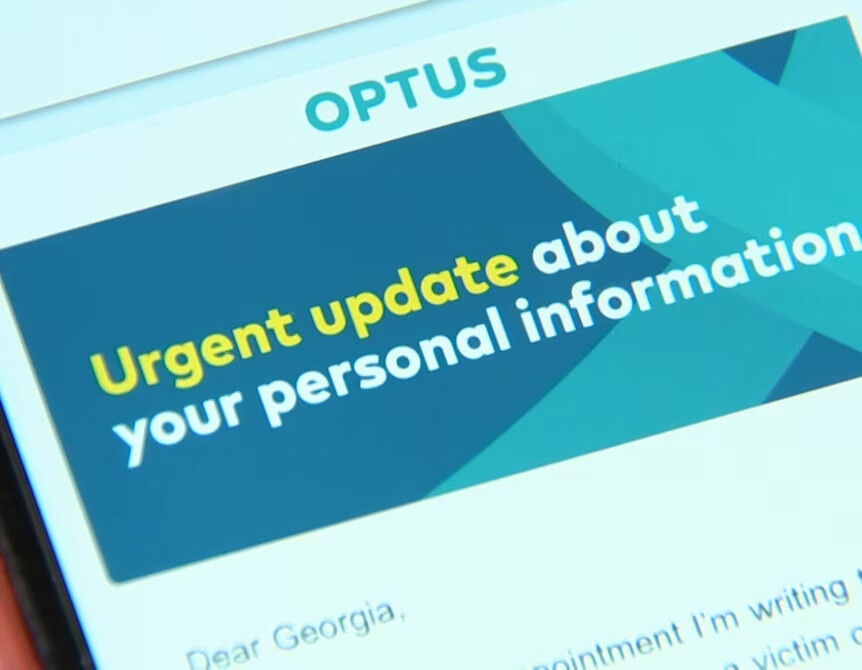
The Optus data breach was a wake-up call for a lot of organisations. As one of Australia’s biggest telcos, Optus has huge amounts of customer data on its books…The breach in Optus exposed personal information of as many as 9.8 million customers, which included names, birth dates, mobile phone numbers, email addresses and in some cases even passport or drivers licence numbers.
The fallout from this event was swift and brutal with Optus getting slammed from all angles – the government, the media and the public were all taking a sledgehammer approach.
Free credit monitoring was offered to the affected customers by Optus and the class action lawsuits that had been filed are still ongoing. One of the biggest hits to the company was the loss of customer trust – a lot of people were left feeling like they couldn’t rely on Optus to keep their data safe.
Medibank
Medibank had a data breach in the same year which left millions of customers of one of Australia’s biggest private health insurers in a very vulnerable position.
This was a particularly concerning breach because it showed that hackers had got their hands on all sorts of sensitive health information. They were able to get hold of details about customers’ medical treatments, including their mental health treatments and drug and alcohol abuse therapies, as well as details about terminations of pregnancy.
The fact that Medibank was dealing with really sensitive information and that they had allegedly been pretty slack on cyber security made this breach even worse.
Protecting Yourself from Dark Web Threats
So, with all this in mind, how can we protect our organisations and data from these threats?
The main job of dark web monitoring is to keep an eye out for these potential risks and stop them before they can cause any real damage. By keeping a close eye on the dark web, you can detect if any of your sensitive information has been compromised and then take action to prevent any further damage.
Early Detection
A lot of the time, stolen data isn’t even noticed by an organisation until it’s already been posted up on the dark web. By being able to pick up on these leaks early, you can get to work right away to mitigate the risks. This early warning system can be the difference between a minor incident and a full-blown crisis.
Protecting Sensitive Information
By knowing exactly what data is out there on the dark web, you can take specific actions to lock down compromised accounts, change passwords and put in extra security measures where needed. This targeted approach lets you focus your resources on the right threats and help your security posture overall.
Staying on the Right Side of the Regulators
Regulators are starting to get pretty tough on organisations that don’t do enough to protect people’s personal data. By putting in a dark web monitoring system, you’re showing that you’re proactive about data protection and that can really help out in the event of an audit.
Gathering Intel
Dark web monitoring gives you real insights into what cybercriminals are up to and how they’re going about it. This threat intelligence can then be used to shape your broader cyber security strategy and help you stay a step ahead of emerging threats.
How Dark Web Monitoring Tools Really Work
These dark web monitoring tools employ some really sophisticated gear to continually scan and analyse dark web marketplaces and content. What they do is run automated checks across all sorts of dark web websites and marketplaces to see if your organisation’s details crop up – emails, domain names or specific keywords being the key ones to watch out for.
Once our tools find themselves some compromised data or login credentials, they fire off alerts and notification emails so you can jump into action right away – no delay. Some of the more high-end tools even give you a whole lot more context on what you’re dealing with – like who might be behind it all and what kind of damage you might be facing.
For instance, imagine your dark web monitoring tool picks up on a batch of your company’s email addresses alongside some passwords getting posted on a dark web forum. The tool will shoot you a notification the very moment it finds it, telling you what’s been posted, when & where and just what sort of info is at risk. This allows you to leap into action fast forcing password resets on the affected accounts and getting a data breach investigation under way ASAP.
What to Look for in a Dark Web Monitoring Tool
When you’re choosing a dark web monitoring service, look out for these key features.
Watching the Right Sources
The tool should be able to scan a really wide range of dark web sites and marketplaces – including forums, marketplaces and paste sites. The more sources it’s covering, the better chance you have of catching potential threats.
Real-Time Alerts and Monitoring
What you really need is a tool that’s going to kick out a notification the second it finds any of your data lurking on the dark web. Being able to respond quickly to potential threats is top priority here, that’s where real-time monitoring and real-time alerts come in.
Putting the Pieces Together
A good tool should be able to give you a clear understanding of what it’s found and provide a clear idea of what you should do about it – like a step-by-step plan to get your compromised accounts back on track or ways to mitigate those specific threats.
Making Life Easier
It’s a big help if the tool can play nice with the other security systems you’re already using. That way, you’re not wasting time jumping between different systems and when a threat pops up, you can deal with it a lot more efficiently. Just think about how integration with your SIEM system can help you tie those dark web threats into the bigger picture of what’s going on with your security.
Customising Your Monitoring
Every organisation is different, so the tool should let you customise what data is being monitored and how alerts are triggered. This makes sure you’re focusing on the threats that matter most to your business.
Looking Back in Time
Some of the more advanced tools let you look at historical dark web data, which can be really useful for understanding trends and spotting past breaches that flew under the radar.
Easy to Use
The tool should be easy to use and understand. You don’t want to have to be a tech expert to use it, or to figure out what’s going on. The tool is supposed to be super easy to use, and give you a clear picture of what’s going on – you should be able to navigate it intuitively, especially if you’re managing a team. That way you can easily hand over tasks and collaborate with others.
Who actually needs dark web monitoring?
While dark web monitoring is a good idea for loads of organisations and individuals, there are some that are at a higher risk and should spring for the service.
Businesses handling sensitive data
If you’re working with customer info, financial data, or confidential business secrets, dark web monitoring is a non-negotiable. Keeping your ideas and secrets safe is what this is all about – especially if you’re in e-commerce, finance or tech.
Government bodies and important infrastructure
The sort of sensitive information that governments deal in is like catnip to cyber crooks. Plus, there’s the reputational damage and national security implications to worry about – which makes dark web monitoring pretty crucial.
Hospitals and banks
These outfits deal with super-sensitive data that just happens to be of great interest to cyber scoundrels. Dark web monitoring can help keep patient info and financial records safe from getting into the wrong hands.
Larger enterprises with big teams
If you’ve got a team of 20 or more IT bods, you’re probably a juicy target for cyber crooks – you’ve got a lot of sensitive data and a big digital footprint.
Getting ahead of the game
By signing up for our dark web monitoring service you’re not just sitting back hoping for the best, you’re taking an active role in protecting yourself from cyber threats. We’re not just waiting for that call from the IT department to tell us our data’s been nicked, we’re actually out there actively looking for potential problems and taking steps to stop them before they cause any real damage.
Not only will this help keep your data safe but it also sends a strong message to your stakeholders and customers that you’re taking cyber security seriously and that’s something to be proud of.
We’ve got a team at TechBrain that are experts in cyber threat intelligence and our dark web monitoring services are designed to give you all the info you need and the tools to stay one step ahead of the bad guys. We work closely with businesses like yours to come up with solutions that fit your business and give you the peace of mind you need.
And the thing is, knowledge is power in the world of cyber security – by casting a light into the murkiest corners of the dark web, we can better protect ourselves and our businesses from those who try to hide in the shadows
It’s time to take action – don’t wait until a breach happens before doing something about it. With dark web monitoring you can stay one step ahead of cyber crooks and keep your business safe for years to come.